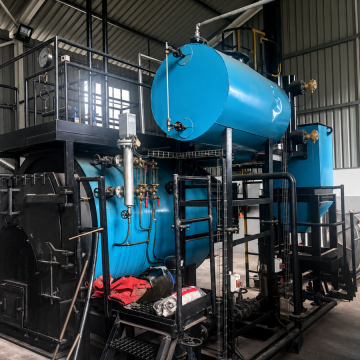
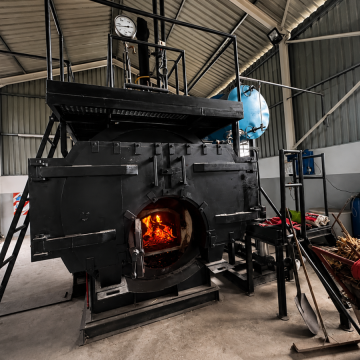
Setting a new Standard in Zimbabwe, this first-of-its-kind skid-mounted 500 kg/hr high-efficiency, Fully Wet-Back Wood-Fired Steam Boiler was expertly supplied and installed by Steam Team.
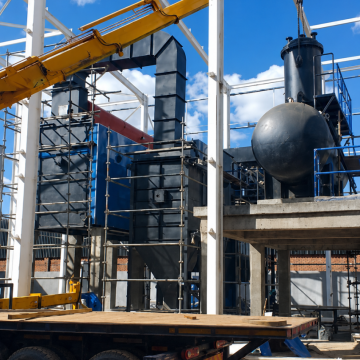
Our latest Harare project features the supply and installation of this 8-Tonne Fuel Fired High Efficiency Boiler.
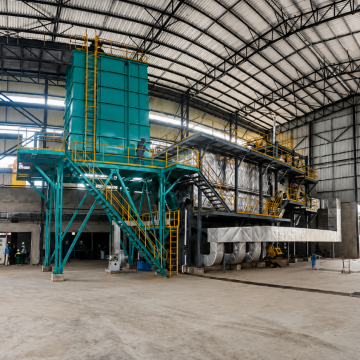
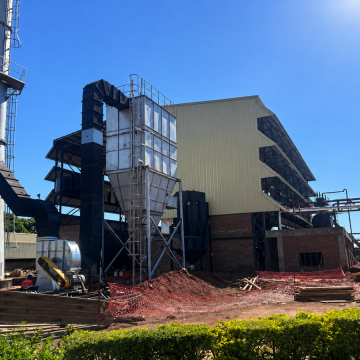
Delivering sustainable power at scale, our 15-Tonne High Efficient Wood / Biomass Boiler (with the option of Dual Fuel), comes complete with a bag house.
District heating plants, power plants, pulp and paper industry applications, handling hazardous and municipal waste. Also available for ships and offshore applications.
In the Food industry, processing of meats and poultry requires heat and significant amounts of hot water for many of the process and cleaning applications throughout the plant.
Meat producers use a combination of scalding and de-hairing to prepare for evisceration. Carcasses are immersed in the tank that is filled with water at 136 to 140°F (58 to 60°C). The carcasses will be turned to ensure even scalding during the 4-4½ minute cycle. The water temperature is critical, because high temperatures degrade the meat and can excessively soften the skin, which can lead to tissue damage from subsequent handling. Low temperatures lead to excessive immersion times or difficult hair removal
Slaughtered carcasses are sprayed with hot water after de-hiding and after evisceration to clean the surface of the carcass. The carcass is hung from the overhead conveyor and an operator uses a high pressure sprayer to wash the surface of the carcass.Water must be at least 170°F (77°C) and may contain acetic or lactic acid to help kill all micro organisms. Too high of temperatures will damage the meat
Cutting tools, knives and evisceration equipment requires regular cleaning and sanitising. FDA approved temperatures must be maintained
Chicken processor will scald chicken paws. Accurate temperature control is required to avoid ‘graying’ the paw
Most facilities pre-treat the wastewater before discharging the water to the public sewer system. Sludge processing in digesters is common to break down organic solids and to produce methane for boiler energy supply
There are a number of challenges associated with conventional water heating methods:
Heat exchangers often plug and foul which reduces reliability and processing times
Water flow constantly varies based on processing conditions and clean-up periods
Processing plants must be able to demonstrate proper sanitising temperatures and are maintained to meet FDA approval
PSX Heater Solution – Inline Heating
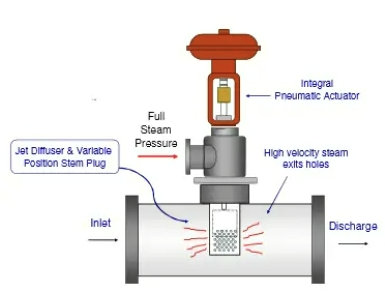
ProSonix’s unique method of steam injection utilises an integral pneumatic actuator and a variable opening steam diffuser to deliver high velocity steam injection heating. We do not throttle or regulate steam pressure. This design offers a precise method of steam control through a choked flow delivery of the steam.
‘Choked flow’ is the phenomenon of accelerating a vapor to maximum velocity by creating a pressure differential through an engineered nozzle. By establishing choked flow, the steam mass flow can be metered to precisely control the heating of the liquid. This produces predictable results based on the position of the stem plug.
Through a variable-area steam diffuser, steam flow is metered at the point where steam and liquid first contact and mix. This method eliminates the need for an external steam control valve or downstream mechanical mixing devices. High velocity steam flow optimises the steam mixing and condensation with the liquid and eliminates problems with vibration/steam hammering.
Key Direct Steam Injection Benefits
Precise temperature control +/- 1 °F (-17°C) assures optimal processing conditions
Self cleaning design eliminates costly maintenance issues from plugging and fouling
Energy savings as the low pressure drop (typically 1-2 psig) reduces energy pump demand
High turndown of both steam and water flow rate allow for flexible operating conditions
Ease of installation as the PSX heater can be installed in the water piping saving valuable floor space
Angled Steam Injector is designed for hi viscosity, hi solids and difficult to pump slurries and sludges
Low pressure drop of typically 1-2 psig
Precise temperature control to +/- 1°F (-17°C)
Expanded body allows for insertion of steam diffuser to maintain proper flow velocities thru heater
Single or multi-stage heating for flow rates from 1 – 10,000 gpm
High temperature rise up 250°F (121°C) in a single pass
Standard carbon steel or 316SS. Optional alloys and wear coatings available for erosive or corrosive applications
Designed to ASME B31.1; optional ASME, CRN or CE/PED certification
Well Suited For
High solids, high viscosity and difficult to pump slurries
Slurries with large particulate
Fibrous slurries such as pulp stock and biomass
Anaerobic digestion of municipal wastewater biosolids, animal by-products and biogas production
Mining and mineral processing applications
The ProSonixTM I-Series Direct Steam Injection heater’s unique method of direct steam injection utilises internal steam modulation via an integral pneumatic actuator to accurately deliver the appropriate mass flow of steam for the required heating. This modulating design offers a precise method of steam control through a choked flow control delivery of the steam. Choked flow is the phenomenon of accelerating a vapor to maximum velocity by creating a pressure differential through an engineered opening. By establishing choked flow, the steam mass flow is metered to precisely control the heating of the liquid. This produces predictable results based on position of the stem plug. Through a variable-area steam diffuser, steam flow is metered at the point where steam and liquid first contact and mix.
Features & Benefits
3-Dimensional steam injector delivers up, down and side to side steam injection pattern to optimise steam mixing and rapid condensation
Angled diffuser reduces flow disruptions and suitable for fibrous slurries
Single point steam injector diffuser connection allows for complete fluid pass through clearance with no build-up points for fibrous materials
Eliminates plugging and fouling from burn and scorch sensitive slurries and sludge’s
Internally modulated steam injection controls mass flow of steam allowing for smooth and stable operation
Energy savings as a result of low pressure drop across the PSX DSI heater
Positional steam inlet allows steam inlet flange to be rotated in 360° for ease of steam piping connection
Secondary internal steam shut-off (optional) for integral steam shut-off
Boiler Feedwater Heaters via Direct Steam Injection
Power generating plants utilise steam boilers to produce electricity energy for their operation. These boilers often have feedwater heaters which are an integral part of the plant’s thermodynamic cycle. The presence of the heaters in the cycle improves the thermal efficiency of the power plant by lowering the amount of thermal energy required to generate a given amount of electrical by re-using produced steam in a heat exchanger to heat feedwater prior to the Deaerator.
Issues Associated with Boiler Feedwater Heating
Heat exchangers are prone to mineral and scale build-up on the internal components. This scale build-up reduces their thermal efficiency and requires costly cleaning and replacement of damaged components
Mineral and scale build-up can lead to a plugging/fouling issue which increases energy consumption from the condensate pumps
Replacement of the heat exchangers requires considerable floor space and foundation improvement because of their size, weight and cleaning access requirements
ProSonix Direct Steam Injection Heater Solution
The PSX heater can be installed to heat up the returned condensate with low pressure steam from the turbine. Often times steam temperatures of 600°F (316°C) and feedwater temps of 400°F (204°C) are not uncommon. The key to efficient, safe and predictable steam injection is the use of internally modulated steam control and to inject steam at sonic velocity to achieve choked flow. By achieving choked flow, sonic velocity conditions can be achieved for steam injection. The use of an integral pneumatic actuator allows for sonic velocity steam injection for the PSX Heater to operate in a choked flow manner for good, non-violent mixing. The PSX heater is an internally modulated heater, with a variable position stem plug, that varies the mass flow rate of steam by changing the area in which the steam may pass. This type of modulation allows the full steam pressure to always be present at the point of injection, regardless of plug position.
Key PSX Heater Direct Steam Injection Benefits
Stable operation the internally modulated steam control design of the PSX heater controls the steam mass flow and not the steam pressure, thus eliminating steam hammer and vibration issues
Lower maintenance due to the PSX heater’s self cleaning design (no scaling or plugging/fouling)
Low pressure drop across the PSX Heater (typically 1-2 psig) reduce pump integration issues and flow disruptions
Economical installation as the PSX heater can be installed in the piping with no floor space requirements
Precise temperature control, typically +/- 1°F (-17°C), allows for a more reliable heating process
High turndown on both steam and liquid allow for process flexibility and process condition variations
It is often desirable to utilise vent or waste steam rather than simply release it to the atmosphere or condense it into water to eliminate the steam. The difficulty has been finding a way to safely and stably condense the steam into a process fluid so the energy can be used in a productive manner. Vent steam is often variable in pressure and availability. Traditional heat exchangers often have trouble functioning in this manner making them problematic.
Some issues associated with heat exchangers
Sizing the exchangers to handle the liquid and steam flow results in the heat exchangers overly large, adding expense and pressure drop to the system
Sizing the trap system for the heat exchanger is difficult to accomplish without the potential of overloading the system with live steam
ProSonix Solution
The ProSonix J-Series Jet Sparger allows the vent steam to be utilised in a safe and simple manner. The flexibility in mounting the heater allows the steam to be condensed in a wide range of pipe sizes, or into a tank or other vessel. Control of the steam addition can be accomplished in a simple manner. Often, a pressure switch is utilised on the vent steam line, activating the PSX heater to quickly condense the steam. An air cylinder on the ProSonix heater quickly opens to allow the steam to disperse quickly and quietly into the flowing fluid. When the steam vent closes, or the pressure drops, the air cylinder on the ProSonix heater closes.
Features & Benefits
It reduces the cost of waste steam that is vented or flashed and sent to drain
Flexible installation as it can be installed inline in the pipe or on a tank or vessel wall
Can be installed directly in the pipe of a tank, thus eliminating the need for floor space or expensive re-working of piping.
Single or multiple unit configurations for tank heating can be installed to allow for large volume heating and then trim heating with a single unit open



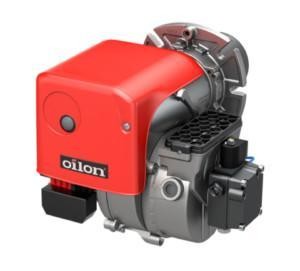 Terraced houses and single family homes, hotels, paintshops, bakeries, market gardens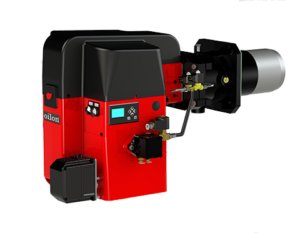
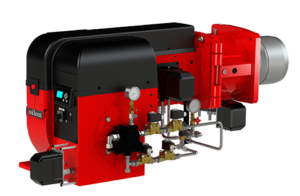 Hot water and steam boilers, hot air generators, and thermal oil boilers. Also available for ships and offshore applications.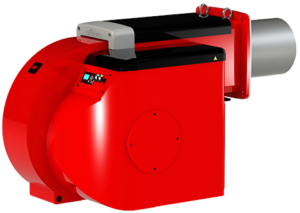
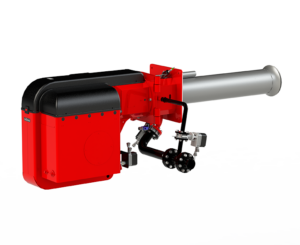
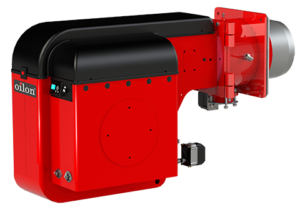
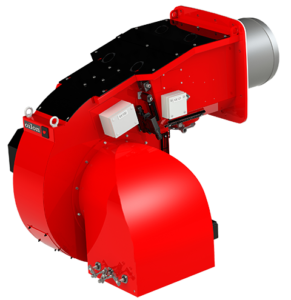 Hot water and steam boilers, hot air generators, and thermal oil boilers.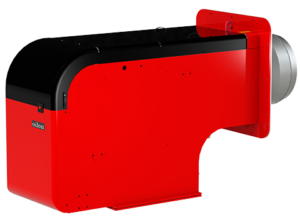
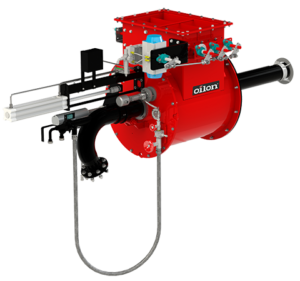
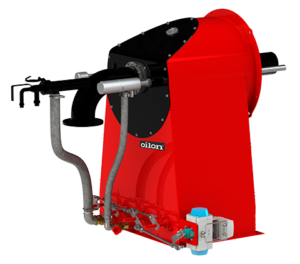
 District heating plants, power plants, pulp and paper industry applications, handling hazardous and municipal waste. Also available for ships and offshore applications.
 Capacity range: 10 – 1,300 kW
 In the Food industry, processing of meats and poultry requires heat and significant amounts of hot water for many of the process and cleaning applications throughout the plant.
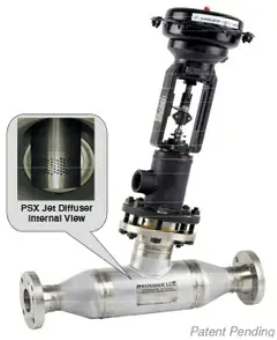 Angled Steam Injector is designed for hi viscosity, hi solids and difficult to pump slurries and sludges
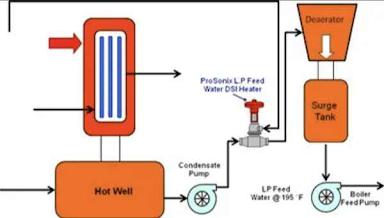 Power generating plants utilise steam boilers to produce electricity energy for their operation. These boilers often have feedwater heaters which are an integral part of the plant’s thermodynamic cycle. The presence of the heaters in the cycle improves the thermal efficiency of the power plant by lowering the amount of thermal energy required to generate a given amount of electrical by re-using produced steam in a heat exchanger to heat feedwater prior to the Deaerator.
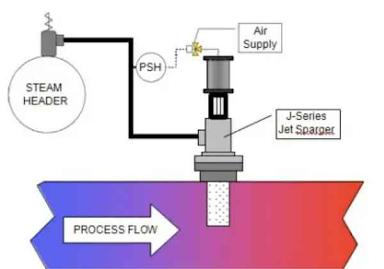 It is often desirable to utilise vent or waste steam rather than simply release it to the atmosphere or condense it into water to eliminate the steam. The difficulty has been finding a way to safely and stably condense the steam into a process fluid so the energy can be used in a productive manner. Vent steam is often variable in pressure and availability. Traditional heat exchangers often have trouble functioning in this manner making them problematic.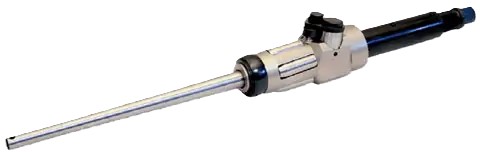
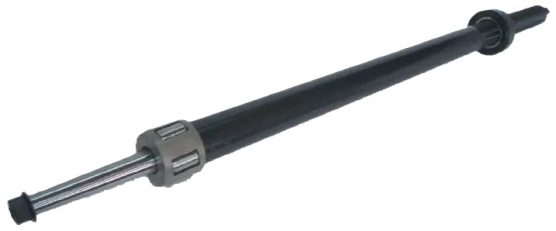

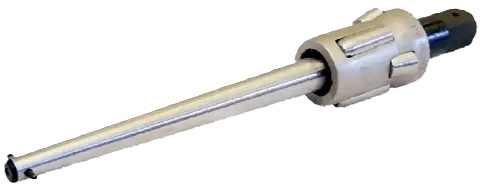
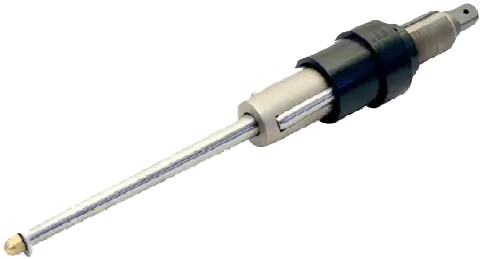
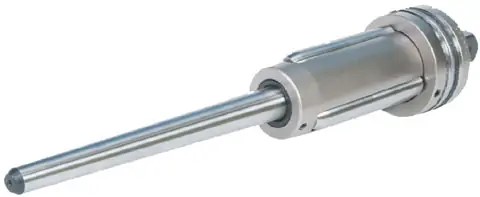

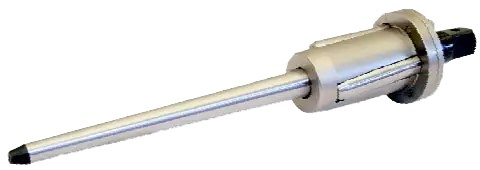
 For Tubes Internal Diameter
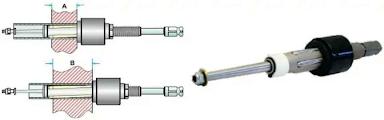 For Tubes Internal Diameter
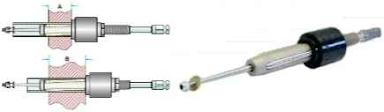 For Tubes Internal Diameter
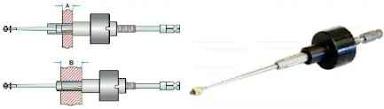 For Tubes Internal Diameter
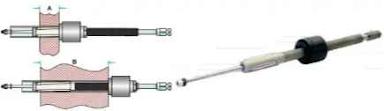 For Tubes Internal Diameter
 For Tubes Internal Diameter
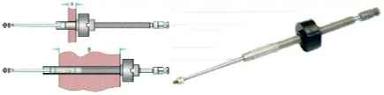 For Tubes Internal Diameter
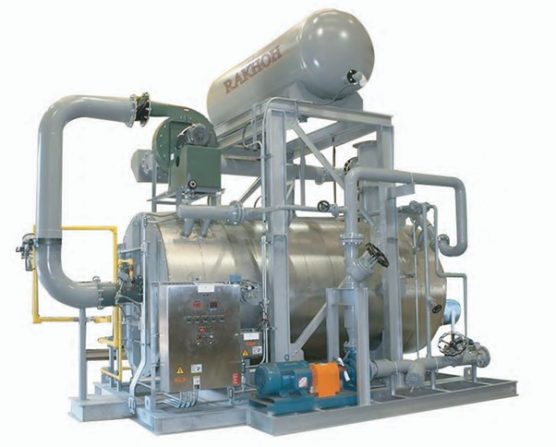 Specification
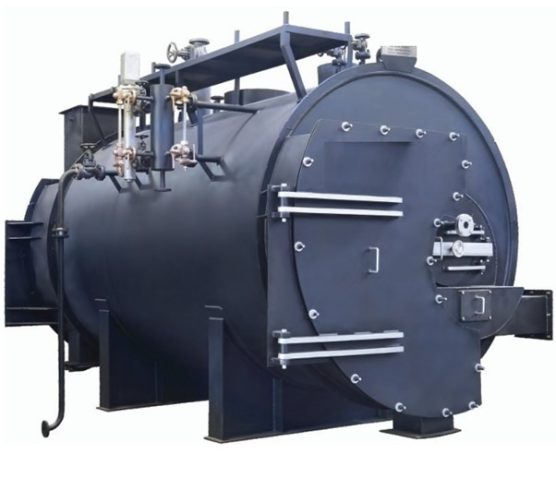 Product Range – 750 kg/hr to 6000 kg/hr.

